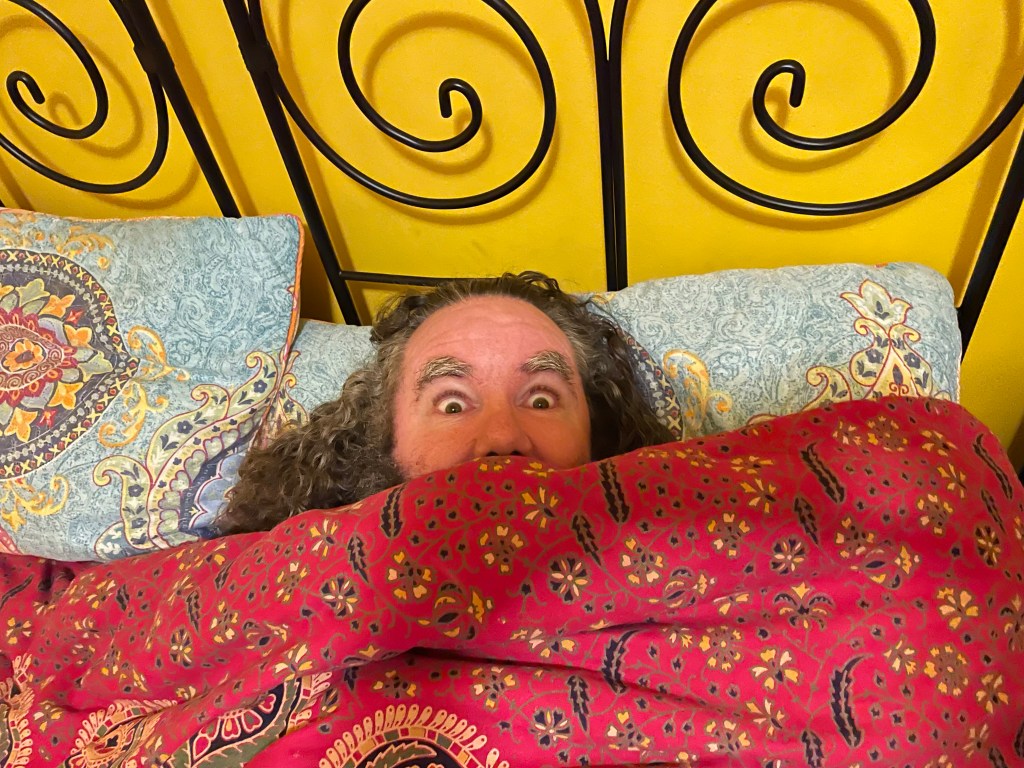
It’s 3.33am. Again.
I angrily stagger to the kitchen searching for sleeping pills and have an uncontrollable urge to punch the cat, which probably hasn’t budged for 17 hours.
Insomnia is torture. A sleepless purgatory. Those barren and arduous nights where the splendours and depths of the mind are reduced to dull and useless white noise.
For those folk that enjoy a decent bit of shuteye, insomnia is like being forced to watch the movie Sleepless in Seattle every night for the rest of your life.
Only the sleepless know the unbearable, agonising anxiety that comes with wanting to turn the hose on a cooing dove to shut it up just as the sun is rising.
What causes insomnia? Take your pick. None of them is pleasant.
But it appears I’m not alone in seeing the bedroom as a place of torment and torture. And I’m not talking about enjoying the odd moment of S&M.
According to a recent Sleep Health Foundation report just under 60 per cent of Australians experience one symptom of insomnia. Around 15 per cent of adults have symptoms which could result in a diagnosis of clinical insomnia.
That’s almost four million, grumpy, irritable bastards who can’t remember where they parked their cars. And when the miserable motorists finally find their jalopies, they want to mow down everything in their path.
Insomnia isn’t a modern-day illness. For the ancient Egyptians, one of the three living hells was “to be in bed and sleep not.’’ Given the Egyptians didn’t mind the odd human sacrifice to appease the 1500-odd Gods they worshipped, it’s not surprising folk slept with one eye open.
Yeah, I know what you self-righteous, slumberous bastards are thinking. Yes, I have tried eating a fecking banana before bed. I have tried masturbating. Numerous times. Hell, I’ve even attempted to masturbate while eating a banana.
I’ve had a crack at all the sleep hacks. Hot showers. Hot drinks. Cold showers. Cold drinks. Sleep apps. Please, just fuck off.
Melatonin: Liquid. Capsules. Powders. Diazepam. Anti-psychotic drugs. Sleeping pills. But the next-day fogginess can create a form of partial amnesia in the morning. It can sometimes take me a few seconds to figure out that the small human yelling at me to pass the remote control is my son.
In his compelling and stimulating book, Why We Sleep, neuroscientist Matthew Walker claims inadequate sleep increases our risk of disease, dementia and Alzheimer’s. As Walker charmingly points out: “There are many ways in which a lack of sufficient sleep will kill you.” “Some take time; others are far more immediate.”
No wonder we are a nation of insomniacs.
Walker says getting more sleep can make us cleverer, more attractive, slimmer, happier and healthier. This would explain why work colleagues gawk at me like I was the Elephant Man, dressed in corduroy.
I have been to countless psychiatrists, psychologists, counsellors and naturopaths. One Jungian psychiatrist I saw was an avid table tennis player. The psych informed me I wouldn’t be able to resolve my sleep problems until I addressed whatever issues were plaguing me from my childhood. When I told him about my bleak and brutal upbringing he suggested we have a game of table tennis.
Is there an upside to insomnia? There is a school of thought that reckons creativity is significantly enhanced because of sleep deprivation. The only inspiration I feel while lying awake resolves around searching for flights to Switzerland.
Vincent Van Gogh struggled with a lack of sleep his whole life. Would the paintings produced by the Dutch post-impressionist have been so breathtakingly beautiful if he had spent more time in the land of nod? Although, he might not have mailed his ear lobe to the prostitute named Rachel if he was a sound sleeper.
Franz Kafka suffered greatly from insomnia. It’s hard to envisage the profoundly disturbing Metamorphosis getting penned if the Czech novelist enjoyed a good night’s kip. The book’s main protagonist would’ve woken up as a guinea pig and not a cockroach.
Sigmund Freud only slept a few hours a night, but that was probably due to the fact he self-medicated with large doses of cocaine.
I’ve tried writing when I couldn’t sleep but my manic scribbling’s resembled a kill list.
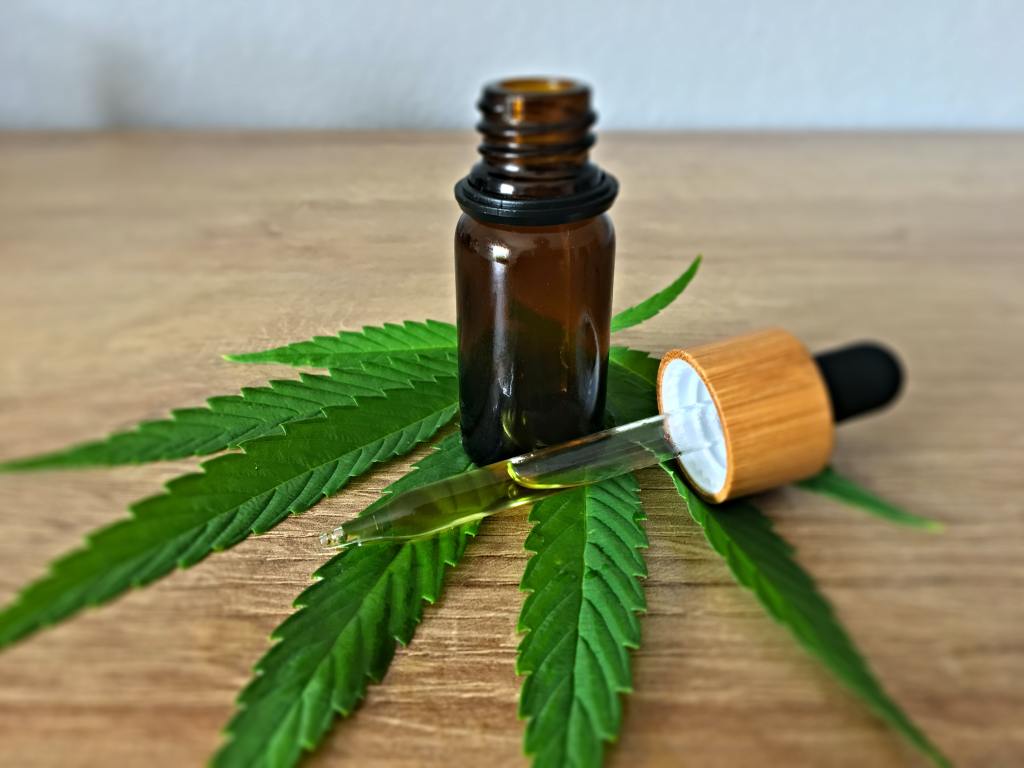
Just when I resigned myself to a life of wakefulness, my doctor recommended I try some CBD oil. Cannabidiol is a non-psychoactive chemical found in marijuana and hemp plants. CBD products are allowed to contain only traces of THC. Basically, it doesn’t get you stoned.
Medicinal cannabis products have been available on prescription in Australia since 2016. According to the Therapeutic Goods Administration, more than 172,000 people have been approved access to medicinal cannabis through its special access scheme. More than 10 times that number will source it from the net.
My local vet sells the oil.
And while I’m always wary of those unbearable wankers that gleefully shout how a herb has changed their life, CBD has dramatically transformed my world. Except for the odd hiccup, I have slept through the night for almost four weeks straight. I haven’t done since the Fremantle Dockers joined the AFL.
I feel sharper, brighter, content, calmer, and more positive and I don’t have the urge to punch my pets. The world is a gentler place. I mean, I even find Seinfeld funny now.
I anxiously keep waiting for insomnia to return but so far it hasn’t.
I’m not yet convinced that CBD is some powerful elixir for wellness and vitality but it works for me.
CBD is not cheap. It will set you back around $180 for 50 mils. You wouldn’t want to be in chronic pain and be poor in Australia. Any medical doctor can prescribe medicinal cannabis in Australia with approval from the TGA.
The federal government does not subsidise medicinal cannabis products under the pharmaceutical benefits scheme. The government should because poor sleep cost the Australian economy $14.4 billion in 2019-2020. Although, not sleeping is good for business, with billions spent each year on sleeping pills.
The studies on the benefits of CBD are sparse, so not everyone is sold on the marijuana miracle. But the oil is known to reduce anxiety, stress, pain, and depression, and treat some epilepsy symptoms.
Another upside: people turning up for work. Less road rage. Just less rage. Parents are happy to see their children. We should be bathing in it.
There are some disturbing side effects. People taking CBD are known to become more sociable, so there is a real danger of getting to like your neighbours.
It’s too early to say whether or not the CBD oil has really cured my insomnia. But for now, the cooing doves in my front yard are safe.
 What's Happening Here
Leave a comment