The endless, orchestrated attempts to ensnare politicians in ‘gotcha’ moments are becoming banal and taxing.
On the first day of the election campaign, the chirpy and upbeat Anthony Albanese was asked about the unemployment and cash rate.
The Labor leader nervously twitched like a kid caught gobbling down a chocolate bunny on the Saturday before Easter. You could see it on his face. The opposition leader didn’t know the answer to a question which was hiding in every leaders’ tool box.
There is no denying Albanese should’ve given the correct answer. Basic economic figures are political leaders bread and butter.
Albanese’s spin machine then spun the blooper into a positive, with the kid from Camperdown claiming “people make mistakes”. Yep, we all do. It’s just our mistakes are rarely seen by millions.
He momentarily steadied the ship. But whatever ground he made up quickly evaporated after storming out a presser after eight minutes, looking like he needed to feed the parking meter.
Politics can be a game of inches.
Albanese exiting stage right was the fodder some sections of the media pack wanted to gorge itself on.
But other than fixated and nervous news outlets, most voters aren’t spending their time marinating on the answers to uninspiring questions from journalists. And this isn’t going to come as a surprise to most, but the constituents throughout Australia simply don’t give a rat’s arse about politics.
The journalist was doing their job grilling Albanese. Journalists have an enormous responsibility to provide people with verified information and issues that impact our lives. Most journalists I’ve met took the ethics and responsibility of the trade very seriously. There are few things more intimidating then a ruthless journalist trying to unbury ‘buried’ news.
There are few shrinking violets in the journalism game.
Many more talented journalists than me, have skewered politicians with astute and precise questioning. I’m not convinced the pop quiz-style of journalism at pressers is doing that.
Headline writers then jostle for a witty but captivating headline, to get ma and pa voter, who don’t give a shit about politics to click on the story. A bit of “chum” hurled into the water to lure readers onto the boat, unaware stakeholders are holding the fishing rods.
But the ‘gotcha’ moments become like a virus and starts to spread to every press conference that follows. It’s turning into “quick Mr Morrison, pull my finger”.
The important questions are submerged by the continual barking from journalists asking a party leader what they think about the fact, they didn’t know the facts?
But I’m struggling to find anyone who is genuinely invested in these moments or would change their voting habit because of an economic blunder by a pollie.

Even after a journalist asked former Prime Minister John Howard what he thought of Albanese’s forgetful moment he said “so what”. And I’m positive the question wasn’t about a Miles Davis song.
And if you just spent seven years lost in the wilderness and staggered into a shopping centre in the boondocks and saw Howard, you’d know an election was on.
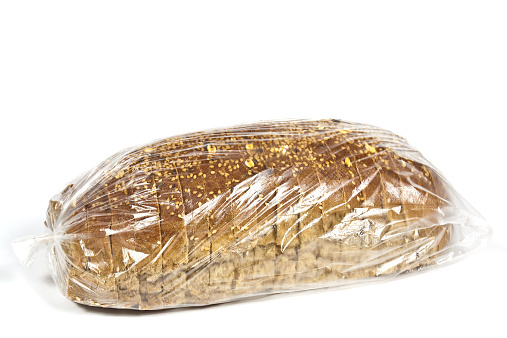
And then there’s this old chestnut: “how much is a loaf of bread”? Prime Minister Scott Morrison was unable to answer that question recently when he popped up at the National Press Club. To be honest, I have no idea what a loaf of bread would cost. And what loaves are we talking about?
Morrison said he wasn’t going to pretend that he ducks down to the corner shop each day to fetch bread and milk.
How many times do you see a party leader shuffling out of their local deli in their tracky dacks and ugg boots balancing a couple of loaves of bread and milk?
Leaders of most political parties wouldn’t have a clue what ma and pa voter are forking out on basic items because they live on exorbitant wages and allowances.
This nonsensical expectation that our Prime Minister or opposition leader are pondering the cost of basic food items is ludicrous. Or they have some intuitive insight into the daily struggles of Mr and Mrs average.
I like to think I have an ok grasp on politics, having previously covered a couple of elections for Fairfax Media. In AFL-speak, I’d be the medical-sub.
But I wouldn’t be far off the mark to suggest families around the country aren’t having the following conversations if a leader doesn’t know the cost of bread.
“Did you know Diedre, our Mr Morrison – that church-loving, respectable man doesn’t know the price of a loaf of bread”?
“Whose dead, George?”
“No one’s dead my dear. Mr Morrison couldn’t tell the nice person gathered around a large tree with all those other nice people, what the cost of a loaf of bread was”.
“Do we need bread George?” Sincere apologies to Monty Python.
By the middle of the first election week, Green’s leader Adam Bandt had a gutful after a journalist tried to leave him exposed and defensive with a question about the wage price index. Bandt snarled ‘Google it’, when asked. I had to Google what it meant.
Bandt said elections should be about a contest of ideas. “Politics should be about reaching for the stars and offering a better society,” he said, as if he saw the question coming delivered in a neat package.
As grandiose and unachievable as that is, it’s a good point.
I think it’s a fair call to say a sizeable chunk of the Australian public are disengaged with politics. Take your pick of the reasons why.
Most of the people I know will robotically waltz into the booths on May 21 and vote the same way as they did at the previous five elections. But rusted-on voters are losing their grip. The swinging voters are having all the fun.
Gotcha moments aren’t turning people away from politics because most folk aren’t looking. If Australian politics was on Survivor it would get voted out in the first week for being annoying and prosaic.
But laying out booby traps hoping to entangle another politician in a ‘gotcha’ moment has become orchestrated and predictable. It might not be the defining reason why most people are dispassionate about politics, but it’s not helping.
 What's Happening Here
Leave a comment